
Hey, I’m Sara. Since 2017, I’ve used tarot to help others connect more deeply to their inner wisdom.
For the first 21 years of my life, I was deeply committed to Mormonism, all-in on my church’s teachings and expectations. My devotion to the religion of my ancestors hit a speed bump in 2008, when I had a traumatic ritual experience in the temple, and in the aftermath, I began defining my own values and finding my worth again, a painstaking process that eventually led me away from church engagement at age 30.
My shift from believer in a patriarchal religion to independent feminist mystic was tumultuous and gradual. Tarot became part of the story one summer when, on a group camping trip, a friend pulled out a deck and did quick readings for anyone who wanted them. I don't remember much about my reading, but it left a positive impression, and shortly after, I walked into my local bookstore and bought a deck of my own. That was in 2014. I've been reading tarot cards ever since.
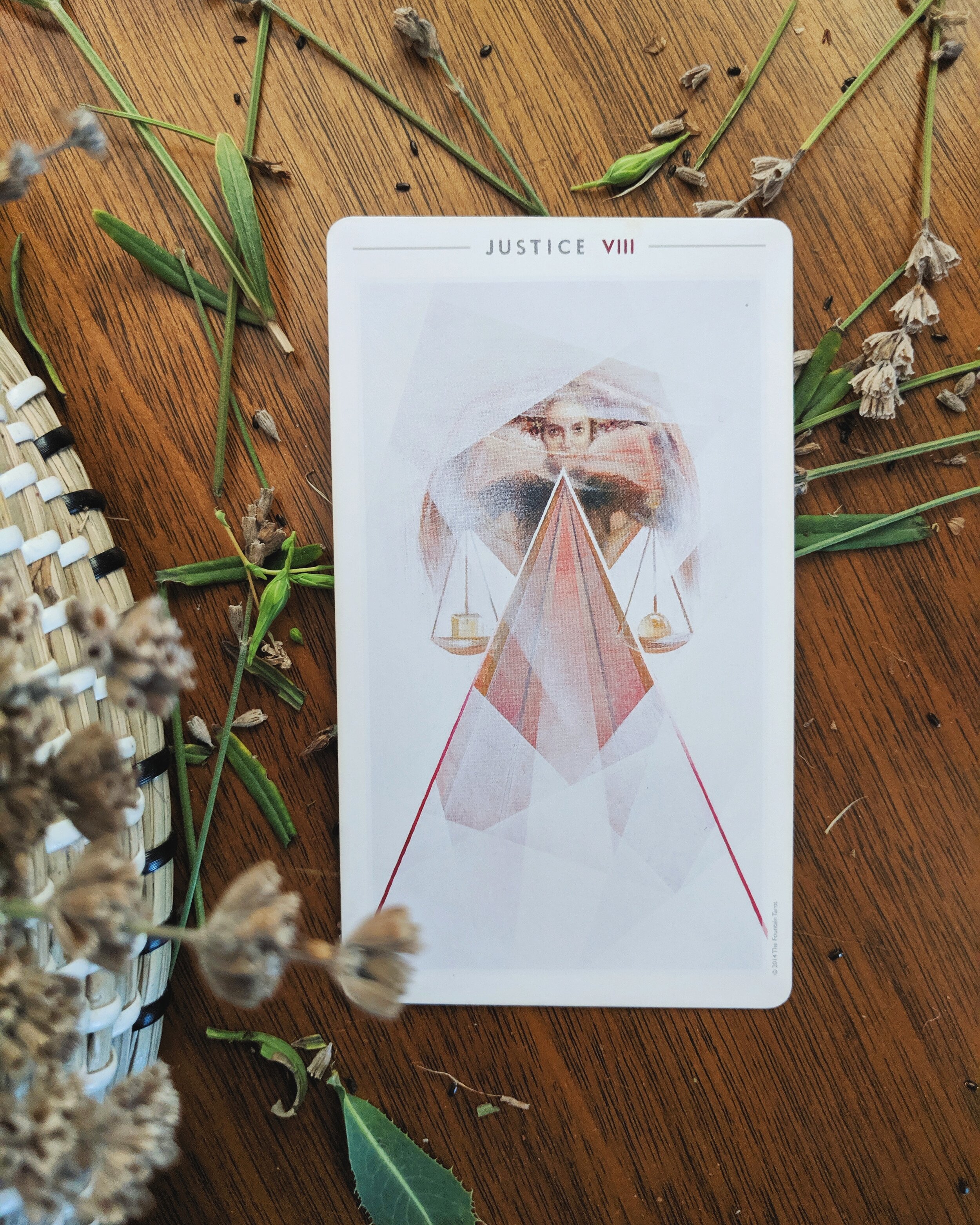
It was mostly lighthearted fun at first, a cool little skill to keep in my back pocket. Things shifted in the spring of 2017, when I received a tarot reading that clarified my previous eight years of religious struggle and helped me leave the church. To this day, this decision brings me so much peace and pride. And I have tarot (in part) to thank for it.
This breakthrough moment inspired me to take my love for tarot to another level. Before long I was working with different decks, researching, writing long journal entries about the meaning of each card, and giving readings to friends (and a few brave strangers). This newfound passion eventually evolved into Cottonwood Tarot.
Tarot readings tend to tell you whatever you’re ready to hear in the moment, and almost as a rule, they confirm what you already know deep down. I can’t tell you the number of times I’ve read tarot for someone and they’ve responded by saying, “You know, that’s exactly what I thought.”
I think of the tarot reading process as a way for the wisest part of you to take center stage and tell the conscious part of you what’s up. Sometimes readings will give a peek into the future, but more often, they take you within.
I’m honored to support people in crucial, vulnerable moments. I strive to meet them where they are, give them what I can, and be a clear and open channel for the wisdom they seek.
Why “Cottonwood Tarot”?
The cottonwood is a nostalgic tree for me. It reminds me of red dirt, desert plateaus, dry creekbeds, and all the other nature-based hallmarks of my first home in southwestern Utah.
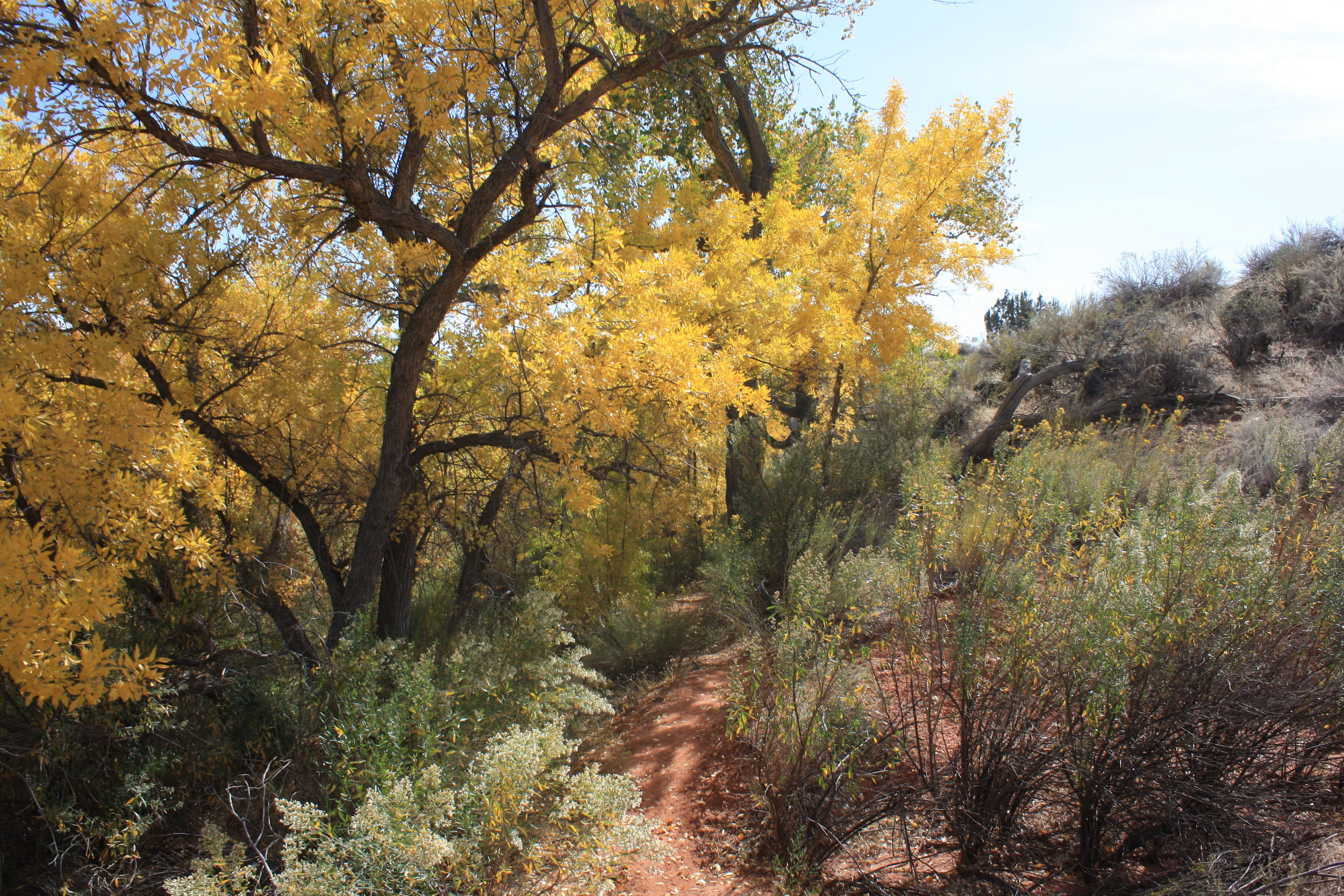
So I chose the name "Cottonwood Tarot" partly for sentimental reasons, but I also love how "cottonwood" suggests contradictions. In one little word, you get the fibery softness of cotton and the sturdy strength of wood. Female cottonwood trees shed fluffy seeds every summer, covering the ground with a cotton-like material that gets caught in absolutely everything. It’s annoying to deal with, but it’s also delightful and wondrous.
The juxtaposition of opposites embodied in the cottonwood is a perfect echo of tarot, where every light has its corresponding shadow and every night cycles through to day.